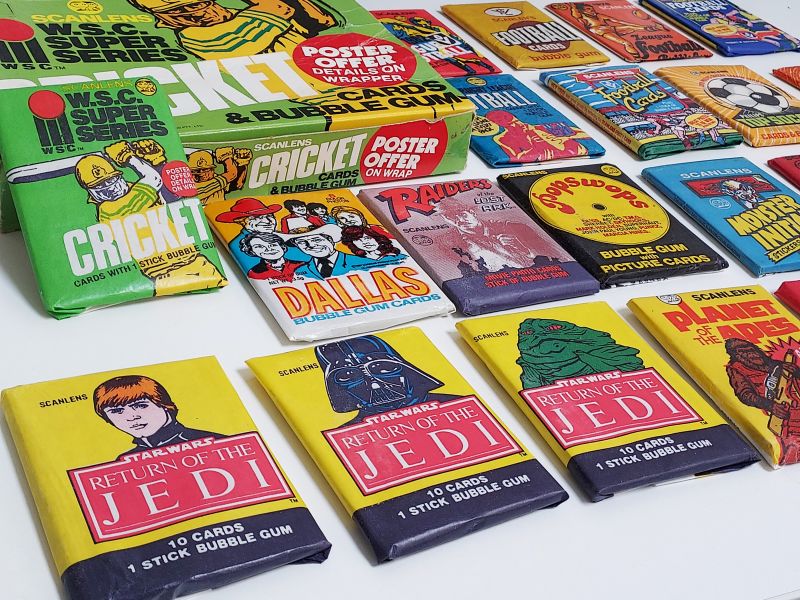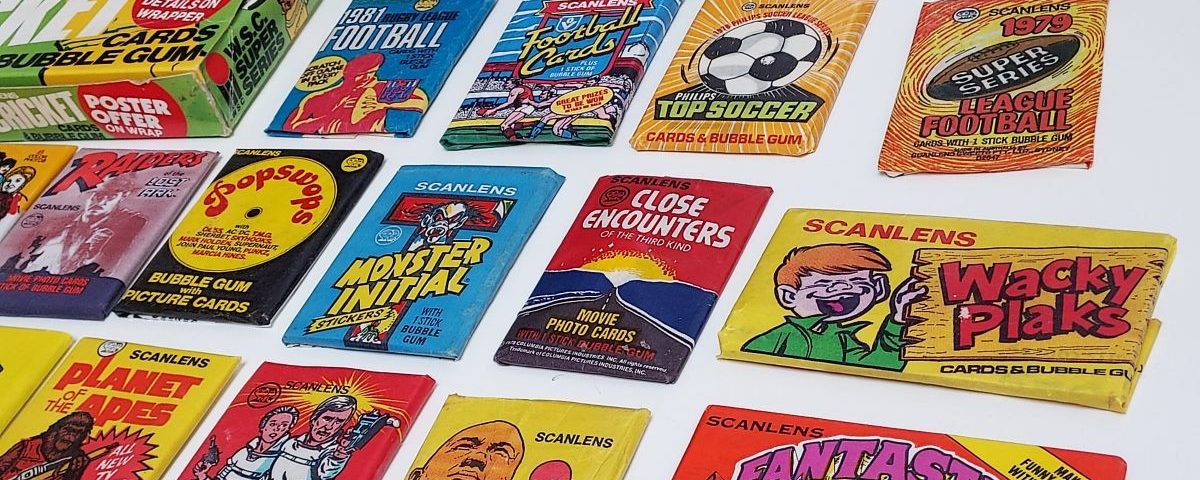
There’s a quiet revolution happening in the trade card hobby. As every seasoned collector knows, some series flatline in value for years, while others take off seemingly overnight. Right now, I’m predicting a Scanlens-fuelled boom — and the surprising driver of that surge? The United States.
I’ve been a “card trader” for a while now. Twenty years ago, US buyers accounted for maybe 1–2% of my trading activity. Today? That figure has jumped to around 15%, and climbing. Something’s shifted, and I reckon it’s largely due to a growing fascination with our home-grown Aussie card brand: Scanlens.
Why the sudden interest from across the Pacific?
First, there’s the numbers game. US brands like Topps, Leaf, Fleer, and Philadelphia Gum pumped out enormous print runs during the ’60s and ’70s. While iconic, those cards are everywhere. Scanlens, produced for a much smaller Australian market, are far more limited. To collectors trained to sniff out rarity, that’s a green light.
Second, the US market is mature. Collectors there have picked over and exhausted every nook and cranny of their own domestic brands. They’ve got binders full of Yankees, Cowboys, and Hulk Hogan. Now, they’re looking further afield, seeking the niche, the underappreciated, the oddly charming. Enter Scanlens.
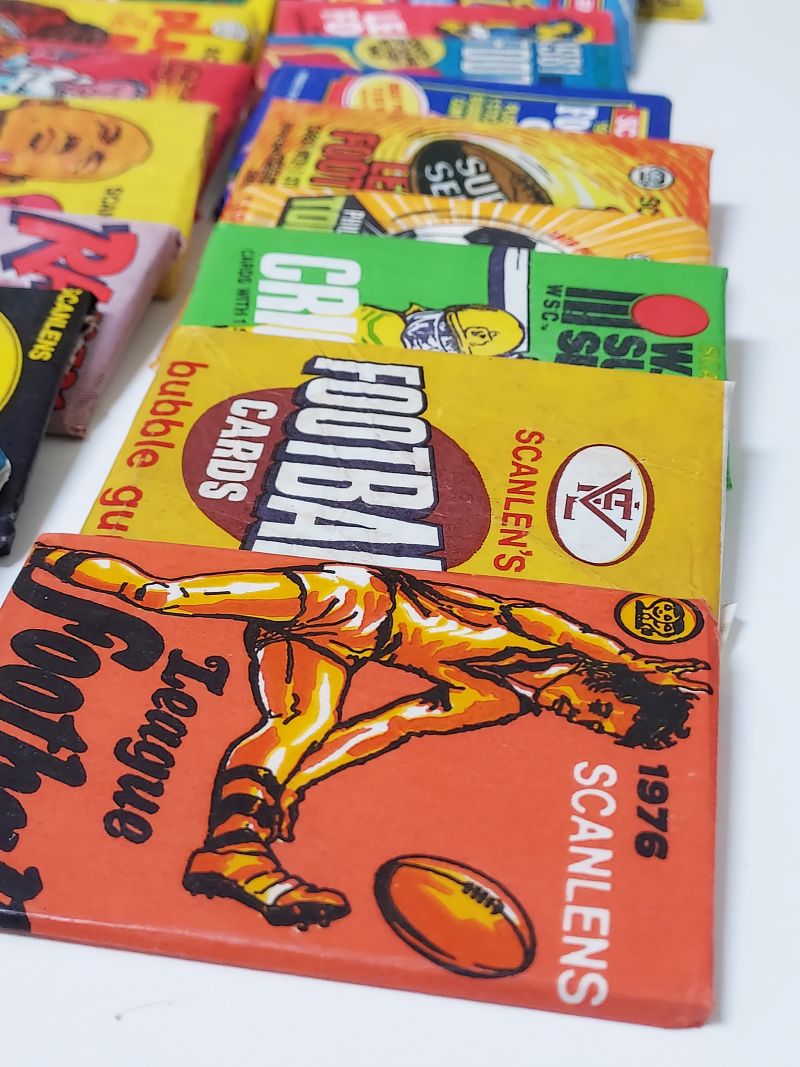
The appeal isn’t just scarcity. There’s something quirky and endearing about Scanlens sets. Yes, we’ve got Aussie Rules, League, and cricket staples — clearly Australian — but there’s also a large range of licensed sets that hit a nostalgic sweet spot for international buyers; Star Wars, Planet of the Apes, Kung Fu, Mork & Mindy, and more. And let’s not forget the famous Australia-only ABBA set, still going strong in the secondary market thanks to its exclusivity, kitsch factor and enduring fan base.
Initially I assumed this spike in US interest was being driven by Aussie expats trying to recapture a slice of home. But the volume says otherwise. This isn’t just a trickle of homesick collectors, this is a broader, growing curiosity.
Some of it might also come down to personality chasing. International buyers are starting to realise that names like Ted Whitten and Reg Gasnier aren’t just local legends — they’re global GOATs. Owning a Jezza rookie card might feel a little like snagging a Babe Ruth, but with the added cachet of being from a completely different collecting ecosystem.
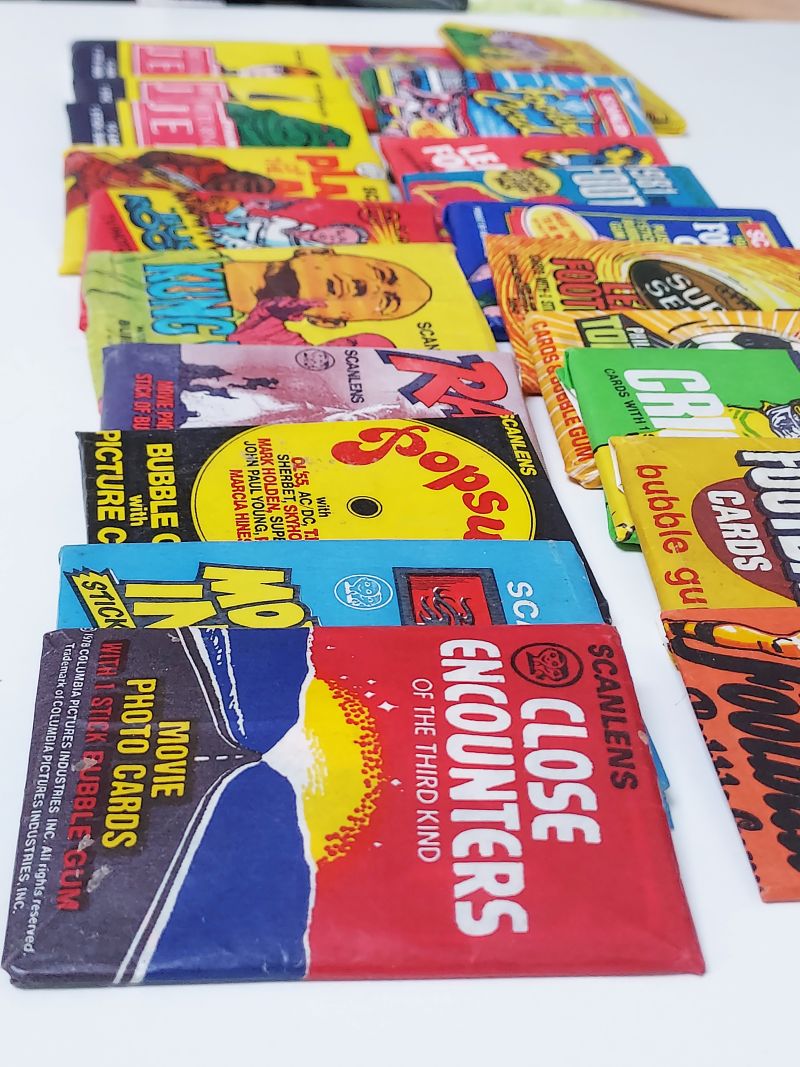
There’s also the aesthetic factor. Scanlens cards, particularly from the ’60s and ’70s, have that familiar rough-edged charm that reminds US collectors of their own childhood cards — only with unfamiliar teams, faces, and fonts. It’s different, but not too different. Like discovering a cousin you never knew you had.
Will this trend continue? I think so. Trumps tariffs, postage costs, and the tyranny of distance don’t seem to be slowing hungry collectors down. If anything, the hunt is half the fun. And right now, Scanlens cards are a tantalising treasure trove — under-priced, underappreciated, and undeniably unique.
So if you’ve got a few dusty sets tucked away, it might be time to dig them out. Because from where I’m sitting, Scanlens are no longer just an Aussie quirk — they’re suddenly becoming a global collectable.